North Carolina Should Emphasize Vaccination to Protect Its Seniors
For older North Carolinians, staying healthy isn’t just about avoiding illness; it’s about maintaining independence, avoiding hospitalization and continuing to live life on their terms. Vaccines play a critical role in making that possible, offering protection against preventable diseases that can have serious and sometimes life-threatening consequences.
With vaccine rates dropping across the country and outbreaks of vaccine-preventable illnesses happening here and across our borders, North Carolina legislators must prioritize supporting and sustaining strong vaccine access to maintain vaccination rates. Otherwise, North Carolina seniors will remain at considerable risk for life-threatening illnesses affecting their quality of life and independence.
As we age, our immune systems naturally weaken, making it harder to fight off infections. Even common illnesses like the flu can lead to complications that disrupt daily life or require hospitalization for older adults. Vaccination provides an added layer of defense, helping older adults stay healthy, active and engaged in their communities. When seniors receive the flu vaccine, they are 41–51% less likely to visit a doctor for the flu and 42% less likely to be hospitalized with the flu.
Vaccines have been used routinely for decades and have successfully reduced cases of deadly diseases like polio and measles here in the U.S. and around the world. But these protections depend on maintaining strong vaccination rates, and recent trends are moving in the wrong direction. Among older adults, flu vaccination rates have declined in recent years, leaving more seniors vulnerable to preventable illness. At the same time, childhood vaccination rates are also slipping. In North Carolina’s kindergarten classrooms, coverage fell from 95.5% in 2021 to 92.8% in 2024. Even small declines like these can weaken community protection and increase the risk of outbreaks.
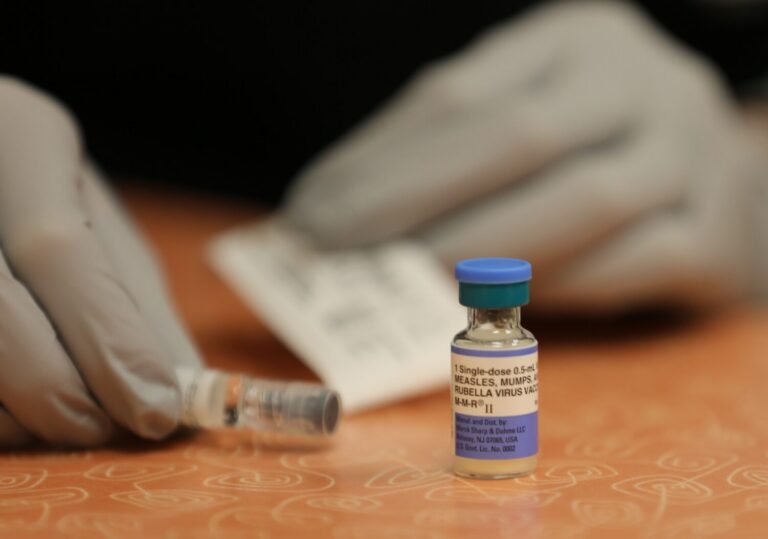
We are already beginning to see the consequences. After being eliminated from the U.S. in 2000, falling vaccination rates have caused measles cases to begin rising again across the country, with outbreaks reported in multiple states, including just across the border in South Carolina. In 2025, cases reached over 2,280 nationwide — the highest level in years — and just a few months into 2026, cases have already climbed to roughly half that number. South Carolina has already reported 997 measles cases, Texas has reported 147 and numbers continue to rise nationwide. These trends are a clear reminder that when vaccination rates fall, diseases once thought to be under control can return quickly.
North Carolina policymakers have an important role to play in reversing these trends. Maintaining strong immunization policies, supporting public health education and ensuring that vaccines remain accessible to all North Carolinians, especially seniors, will prove critical to keeping residents safe. All vaccines are carefully developed through rigorous research and comprehensive clinical trials, and are continuously monitored to confirm their efficacy in preventing disease and protecting public health. Clear, consistent communication about the safety and effectiveness of vaccines can also help rebuild confidence and ensure more people stay up to date on recommended immunizations.
For North Carolina, the message is clear: We cannot afford to be complacent and let vaccine rates drop. The same factors driving outbreaks elsewhere — declining vaccination rates and gaps in community protection — will impact communities if lawmakers do not continue supporting and protecting access to vaccines. And when they do, older adults are often among those most at risk of severe outcomes.
The resurgence of measles is a warning sign. By prioritizing vaccination and maintaining strong immunization rates, North Carolina can protect its communities and ensure that older adults have the opportunity to live healthy, fulfilling lives. The tools are available now. The question is whether they will be used.
Sincerely,