South Carolina Can’t Afford to Let Vaccine Rates Drop. Seniors are Especially at Risk.
Featured Photo Credit: Joshua Haiar/South Dakota Searchlight
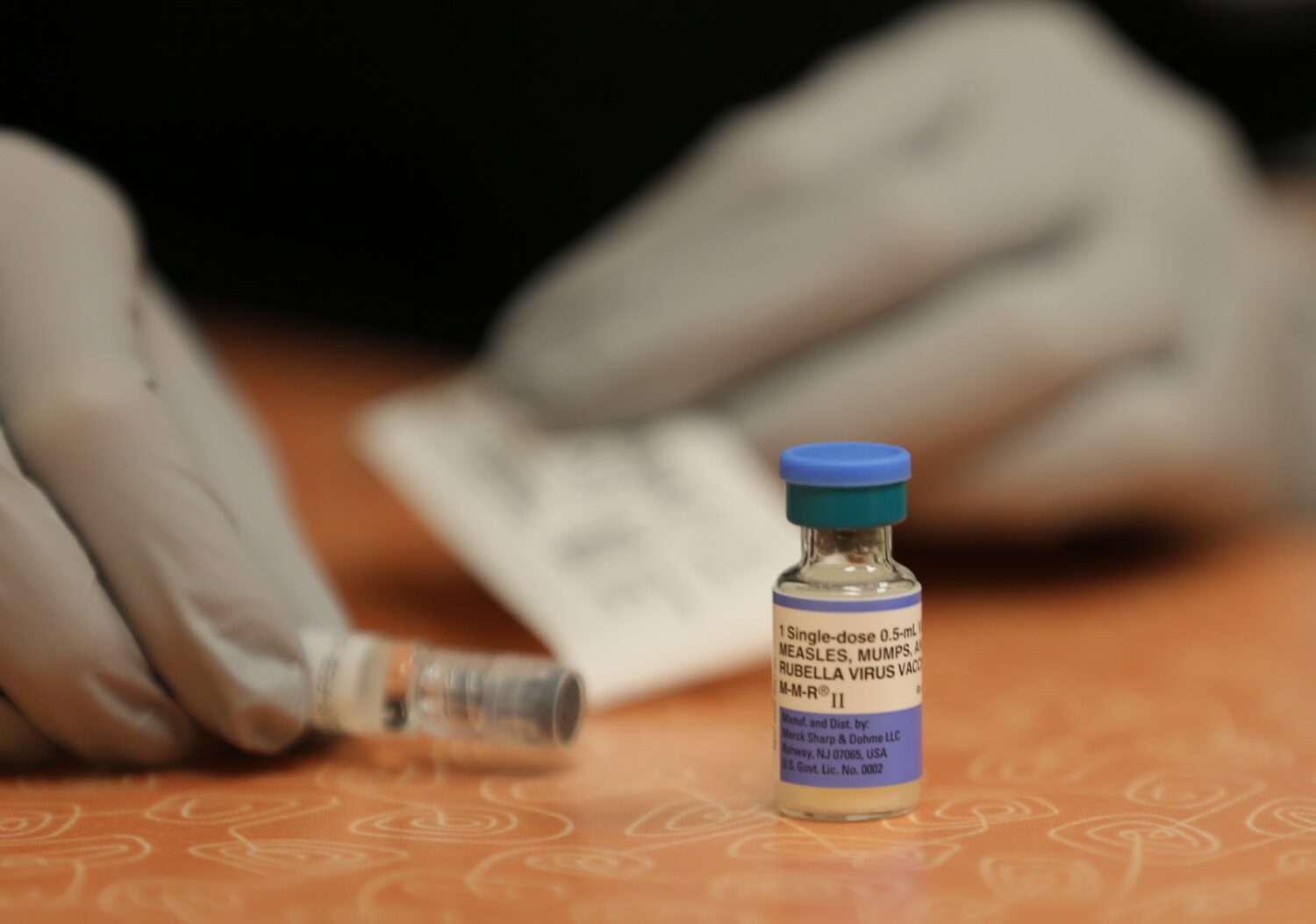
South Carolina has been in the center of a public health crisis. Nearly 1,000 measles cases were confirmed in the Upstate region alone during the outbreak that started last October. It’s one of the largest measles outbreaks nationwide in our modern history.
It’s the direct result of declining immunization rates — and a warning sign of what can happen when public confidence in vaccines erodes.
South Carolina policymakers should stand up to protect vaccine access and not undermine the public health progress our state and our nation have worked decades to build.
Vaccines remain one of the most effective tools in modern medicine.
Among children born in the United States between 1994 and 2023, routine immunizations prevented an estimated 32 million hospitalizations and saved 1.1 million lives.
But these gains depend on maintaining strong vaccination rates, and those rates are slipping — particularly here in South Carolina.
The latest estimates from the Centers for Disease Control and Prevention put statewide kindergarten vaccination coverage for the measles, mumps and rubella vaccine at 91% last school year, well below the 95% needed for herd immunity. Coverage rates vary across the state. They’re the lowest in the Upstate, where 92% of students have all immunizations for attending school this year, according to the state health department.
Less than a quarter of state residents had received a flu shot as of March 25 for the 2025-26 flu season.
Even small declines can weaken community protection and make outbreaks far more likely, particularly for highly contagious diseases like measles.
When community vaccination rates fall below the threshold needed to sustain herd immunity, outbreaks don’t just become possible — they become inevitable, as South Carolina is learning firsthand.
As we age, our immune systems weaken, making it harder to fight off infections and increasing the risk of serious complications from diseases that are often preventable.
Even common illnesses like the flu can lead to severe outcomes for seniors, disrupting daily life and leading to long-term health consequences.
Influenza, pneumococcal disease, shingles, and other vaccine-preventable conditions disproportionately impact older adults. In recent years, up to 85% of nationwide flu deaths in recent years have been Americans 65 and older.
Yet, only 50% of South Carolina seniors have received a flu vaccine this season, leaving hundreds of thousands of Palmetto State residents vulnerable to a disease that hospitalized an estimated 710,000 people nationwide, including more than 8,000 South Carolinians, during the last flu season.
Worse still, even seniors who do get vaccinated aren’t fully safe. Their protection depends on the broader community, and dangerously low vaccination rates among people younger than 65 — as low as 25% for pneumonia in 2024 among those at high risk of an infection — continue to put them at risk.
At the same time, two bills moving through the South Carolina General Assembly — S.343 and S.741 — risk making this situation worse.
S.343 would embed specific, disputed scientific claims and mandatory warning language about COVID-19 vaccines directly into state statute.
Informed consent is a cornerstone of good medicine. But genuine informed consent is a meaningful, individualized conversation between a patient and their physician, tailored to that patient’s health history, medications, and personal risk profile.
This is especially true for older adults, who often manage multiple chronic conditions and rely on their doctors to help them navigate complex medical decisions. Replacing that dialogue with a government-mandated script does not strengthen informed consent. It creates confusion, heightens fear, and risks discouraging patients from seeking preventive care.
There is another serious problem with locking specific language into law: science evolves. Public health information is updated regularly as new data emerges. When statutory language falls out of step with current medical guidance, medical professionals are left in an impossible position, and patients lose confidence in the information they receive.
S.741 presents a different but equally troubling problem.
By prohibiting vaccine mandates for babies under 24 months, this legislation could signal doubt about recommended vaccine schedules that have been developed over decades of rigorous scientific research. South Carolina does not mandate any vaccine.
The recommended schedules are carefully designed to protect children from serious diseases at the moments they are most vulnerable. Undermining confidence in that system can reduce vaccine uptake and increase the risk of outbreaks.
South Carolina’s seniors have lived through polio, measles epidemics, and flu seasons that claimed thousands of lives.
They know — from lived experience, not statistics — what a world without widespread vaccination looks like. The Palmetto State should not take steps backward. The South Carolina General Assembly should focus on policies that will safeguard public health, not erode it.
Sincerely,